
Home Care
Specialized physiotherapy in the comfort and safety of home.

Integrated Gerontological Care
Person-centered, specialized and integrated care for aging with quality of life.
At MAZAL, we bring care to where the person feels safest: at home. With attentive listening, patience and compassion, we bring together gerontological physiotherapy, multidisciplinary integration and family support — so that each day brings a little more autonomy, health, well-being and confidence in moving safely.

“Movement is life. Every achievement is one more step toward longevity and well-being.”
About MAZAL
At MAZAL, we believe aging deserves care that combines clinical excellence, compassionate support and respect for individuality. Everyone has a story, unique needs and the right to live with dignity, autonomy and well-being.
Our approach goes beyond conventional physiotherapy. We have developed a model of Integrated Gerontological Care, which considers physical, cognitive, emotional and functional dimensions, while also taking into account the person’s family and social context.
Person-centered care from a team of physiotherapists with specialties to meet each need.
Our specialized care
Care at home: gerontological physiotherapy with an integrated approach, delivered by a team of physiotherapists with specialties to meet each need, at home — in the comfort and safety of familiar surroundings, always with person-centered, individualized care.
Specialized physiotherapy in the comfort and safety of home.

Restoring mobility, strength, balance and functional autonomy.

Prevention, rehabilitation and support for respiratory conditions.
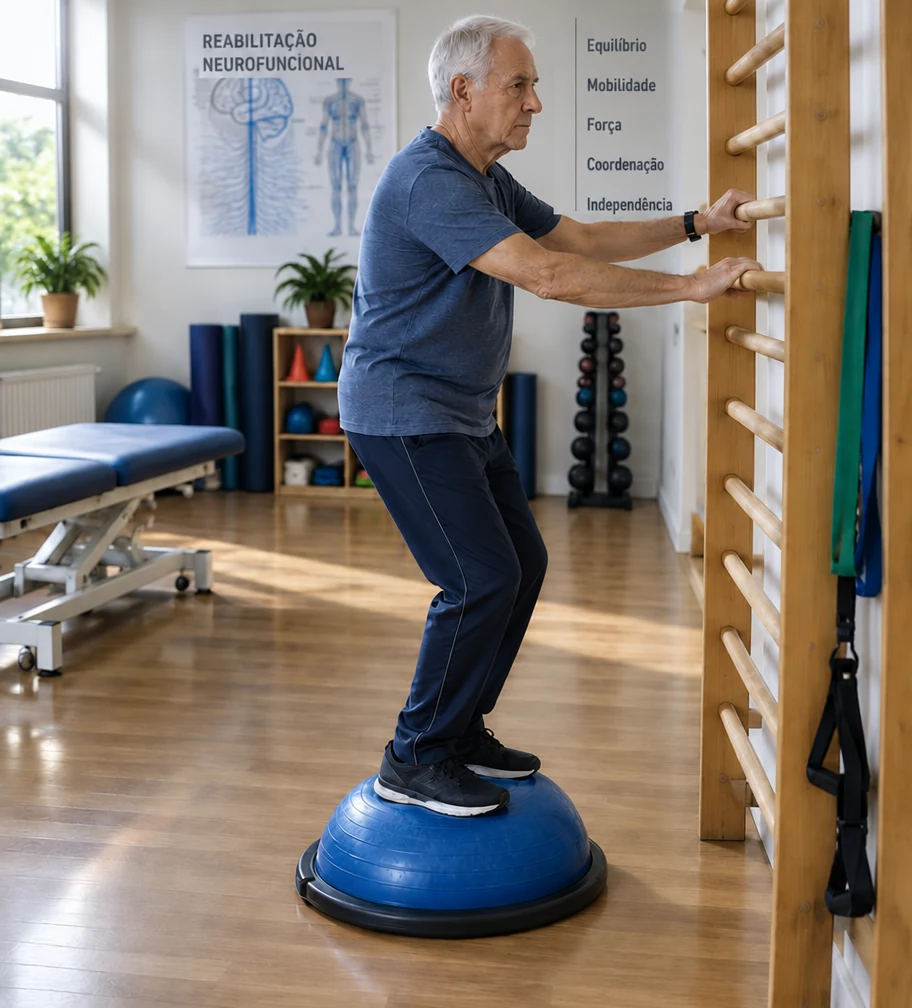
Motor, cognitive and functional stimulation for greater independence.
Individualized treatment programs
Integrated treatment plans delivered at home, with clear goals and a focus on functional outcomes and quality of life.
Multidisciplinary integration
Aging involves interconnected factors that directly affect health and function. That is why MAZAL values coordinated collaboration between gerontological physiotherapy and the other specialties needed in each case.
Integration aims to promote communication among professionals, align therapeutic goals and enable joint monitoring of progress, while respecting each discipline’s scope of practice.
The goal is to bring knowledge from different specialties together into a coherent, personalized care plan focused on quality of life.

The purpose guiding multidisciplinary integration
active life, autonomy, well-being and longevity
Responsible for comprehensive assessment, risk identification and treatment planning.
Responsible for restoring and maintaining functional ability.
Responsible for managing factors that influence health and aging.
Responsible for emotional, social and family support.
Family support

Aging also brings challenges for family members and caregivers, who often need to adapt routines, understand new needs and make important decisions about care.
When appropriate and authorized, we provide guidance on mobility, fall prevention, adapting the environment, encouraging autonomy and maintaining care in everyday life.
“Caring for those who care” is also part of person-centered care.
The MAZAL Difference
Individualized assessment
Comprehensive review of the patient’s clinical and functional status and individual needs.
Therapeutic goals
Setting specific, measurable and individualized goals.
Goals based on the assessment and shared with the patient, family members and professionals involved.
Progress monitoring
Systematic monitoring of outcomes and response to treatment.
Periodic reassessments
Comparative analysis of outcomes and adjustment of the treatment plan.
Integrated Health Record
Secure centralization of patient information and care history.
We aim to help preserve mobility, balance, strength and independence in daily activities. Beyond monitoring clinical indicators, we value the improvements that make a difference in everyday life: moving more safely, maintaining emotional bonds and living with greater confidence. We believe this progress should be shared — those who care together need to see the journey, not just hear about it.
Technology in support of care
Schedule
Progress
72% of this phase’s goals
Care does not end when the physiotherapist leaves the house. Through the MAZAL app, patients and families have access to the schedule of appointments and to all progress documented session by session — what was addressed, how the person responded and the progress made each week.
This allows the family to follow closely, participate in decisions and stay involved even from a distance. And patients can clearly see their own path to recovery.
Those who trust us
“The care goes far beyond exercises. My mother regained her confidence in walking, and we learned how to help her in everyday life.”
Mrs. Ruth’s family · 82 years old
Home care
“After the fall, I thought I would never move as I used to. Today I climb stairs on my own and feel safe again.”
Mr. Alberto · 76 years old
Functional rehabilitation at home
“The attention to every detail and the warmth shown to my father make all the difference. We feel he is truly cared for.”
Mr. Joaquim’s family · 88 years old
Ongoing follow-up
“After hip surgery, the care came to my home. I was able to get up and walk safely around the house again, without having to go out for rehabilitation.”
Mr. Antônio · 79 years old
Postoperative care at home
“I used to get tired just walking to the door. With respiratory therapy sessions at home, I could breathe better again and play with my grandson without getting out of breath.”
Mrs. Maria · 85 years old
Respiratory physiotherapy at home
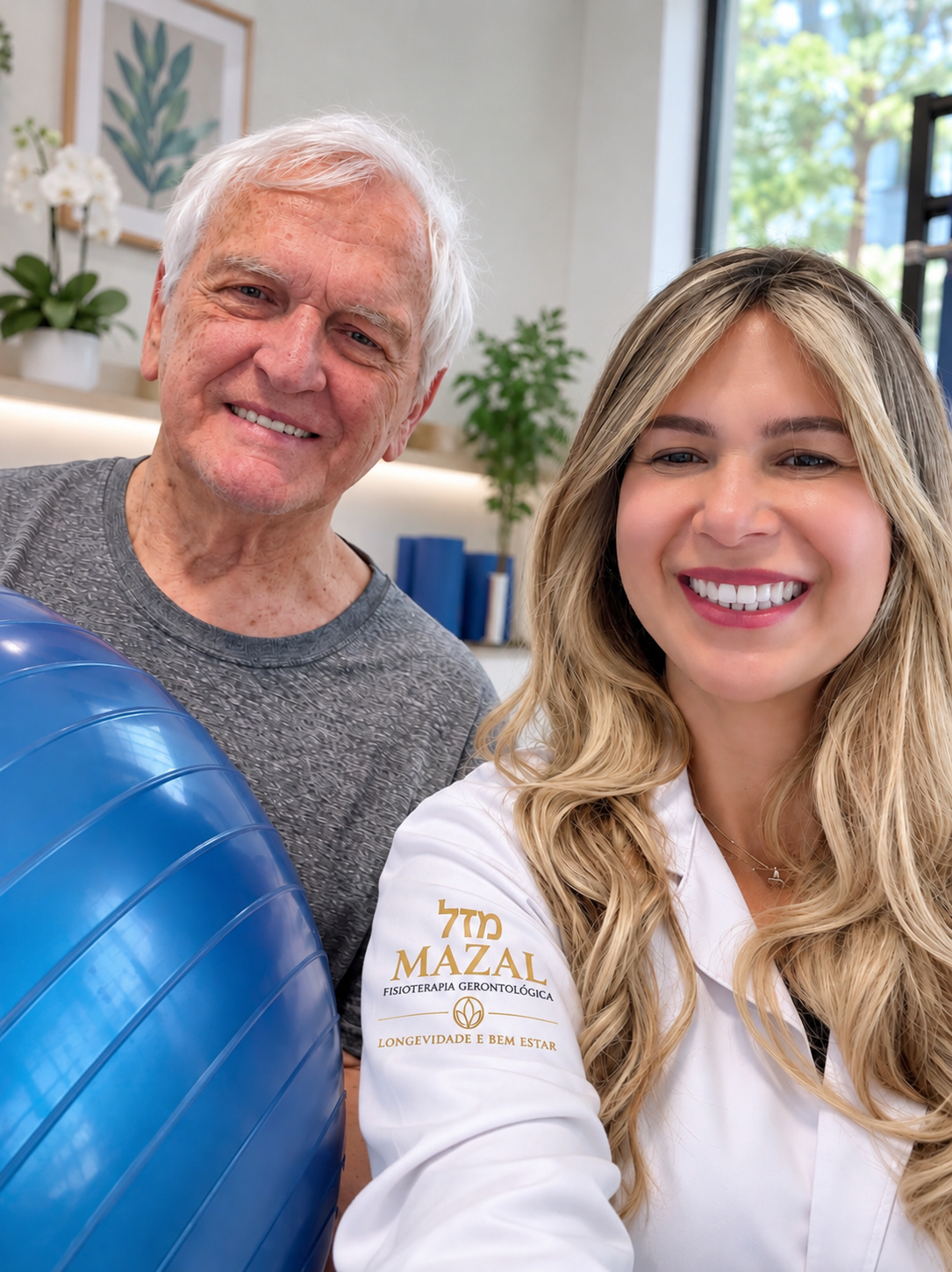
Clinical Lead
CREFITO-3/37353-F
Physiotherapist specializing in gerontological, neurofunctional, orthopedic and respiratory rehabilitation, with extensive hospital experience in intensive care, emergency departments and inpatient wards and well-established experience in home care of moderate and high complexity.
Frequently asked questions
Specialized care to preserve movement, autonomy and quality of life.
It is the field of physiotherapy focused on the health and function of older adults. It aims to preserve or restore movement, muscle strength, balance, mobility and independence in everyday activities.
The physiotherapist assesses physical and functional status, identifies limitations and develops therapeutic strategies to improve or maintain movement ability, prevent complications and support autonomy.
When they have difficulty walking, standing up, sitting down, climbing stairs, maintaining balance or performing daily tasks, or when they experience reduced strength, mobility or confidence in moving safely. They can also seek preventive care.
Yes. Through individualized exercises for muscle strengthening, balance, coordination and gait training, physiotherapy can help reduce fall risk and improve safety when moving around.
Yes. The absence of pain does not mean there are no functional limitations. Ongoing care can help preserve strength, mobility, balance and independence, even when the person has no symptoms.
Activities are determined by the individual assessment and may include strengthening, balance, motor coordination, stretching, joint mobility, gait training and functional movements used in everyday life.
Yes. When clinically indicated and in accordance with the medical team’s guidance, physiotherapy can help restore mobility, strength, balance and functional ability following hospitalization or surgical procedures.
The physiotherapist provides care in the patient’s home, using the surroundings and available resources, along with therapeutic equipment when needed. The goal is to carry out activities related to the patient’s actual needs, in comfort and safety.
An individualized assessment considers the patient’s health history, mobility, muscle strength, balance, coordination, functional limitations, routine and goals. This information is used to develop the treatment plan.
The plan is developed from the assessment findings, setting therapeutic goals, activities, required resources, frequency and estimated duration of care. Progress is monitored, and treatment approaches are adjusted when necessary.
Frequency depends on each patient’s needs, clinical status, therapeutic goals and functional ability. It is determined by the physiotherapist after the individualized assessment.
It is the concept that guides all MAZAL care: the patient is at the center, and the physiotherapist coordinates the other specialties. Care is organized into four areas — clinical assessment and management, rehabilitation and function, health and prevention, and well-being and quality of life — so that all disciplines work together toward the same goal: an active life, autonomy, well-being and longevity.
It is a single, shared record of the patient’s care. It brings together the initial assessment, therapeutic goals, progress in each session and periodic reassessments. This allows the physiotherapist, family and other specialties involved to follow the same information, supporting continuity, safety and transparency in care.
Yes. The individualized assessment also measures neurological and cognitive aspects, such as attention, memory, orientation, coordination and how the patient understands and performs activities. These findings form part of the Integrated Health Record and help tailor exercises, monitor progress and identify early changes that may require the multidisciplinary team’s attention.
Family participation is important for supporting continuity of care, encouraging prescribed activities, helping maintain a safe environment and following the patient’s progress. Family involvement is considered an important part of the therapeutic process.
Beyond treating limitations, we work to preserve possibilities.
We are committed to promoting movement, autonomy, safety and quality of life at every stage of aging.
Our commitment to longevity
MAZAL brings together specialized gerontological physiotherapy, person-centered care and multidisciplinary integration, with home care in São Paulo, to support more dignified, active and healthy aging.